



A minor oversight in temporary structural engineering can transform an ordinary construction site into a scene of chaos and disaster. As cranes swing materials overhead and concrete pours into molds, it is the invisible, temporary structures, formwork, scaffolding, shoring, that carry the real burden of keeping workers safe and projects on track. Yet, the value of these essential supports is often underestimated, sometimes with tragic consequences.
- The Role of Temporary Structural Engineering in Construction Safety
- Understanding Temporary Works: Definitions and Scope
- Why Temporary Structures Are More Than Just Support
- Real-World Risks Without Proper Temporary Engineering
- Case Study: Collapse Due to Inadequate Shoring
- Legal and Financial Consequences of Temporary Structure Failures
- Key Components of Temporary Structural Engineering
- Coffrages (Formwork) and Étaiement (Shoring) Explained
- The Importance of Soutènement (Retaining) and Bridge Lifting Supports
- Essential Temporary Access Structures: Scaffolding and Shelters
- Planning and Design: Engineering Principles Behind Temporary Works
- Load Calculations and Material Selection
- Active vs. Passive Support Systems: Choosing the Right Approach
- Case Study: Successful Implementation of Temporary Engineering in a Bridge Project
- Regulatory Standards and Best Practices
- Compliance Requirements in Temporary Structural Engineering
- Documentation and Justifying Work Methods
- Innovations and Technologies Enhancing Temporary Works Safety
- Conclusion: Integrating Temporary Structural Engineering for Project Success
The Role of Temporary Structural Engineering in Construction Safety
No building soars skyward without first relying on a complex network of provisional supports. Temporary structural engineering is the discipline focused on designing and implementing these crucial but short-lived systems.
Understanding Temporary Works: Definitions and Scope
Temporary works include all structures and frameworks needed only during construction, refurbishment, or repairs. From the imposing frames that hold up a bridge under repair, to the simple scaffolds that cradle a worker painting a wall, their scope is vast.
Why Temporary Structures Are More Than Just Support
Too often, these supports are viewed as mere accessories. The reality is stark: just one failure can result in injury, loss of life, and devastating project delays. Temporary structural engineering is not just about holding things up, it is about safeguarding every person who steps onto the job site.
Real-World Risks Without Proper Temporary Engineering
History is littered with examples of what can go wrong when temporary works are overlooked.
Case Study: Collapse Due to Inadequate Shoring
A shoring collapse during a concrete pour can happen in seconds. In one Canadian case, insufficiently designed shoring failed, sending wet concrete and steel crashing down, trapping workers and halting the project for months. Investigations revealed that the temporary supports were never properly reviewed by a structural engineer.
Legal and Financial Consequences of Temporary Structure Failures
Beyond the human toll, failures can trigger lawsuits, regulatory penalties, and skyrocketing insurance costs. Even a single incident can undermine a contractor’s reputation and profitability for years.
Key Components of Temporary Structural Engineering
Temporary works are as varied as the projects they support. Three core categories dominate most sites.
Coffrages (Formwork) and Étaiement (Shoring) Explained
Formwork molds freshly poured concrete, while shoring props up formwork and existing structures. Each must withstand immense pressures and shifting loads. Cutting corners here can lead to catastrophic collapse.
The Importance of Soutènement (Retaining) and Bridge Lifting Supports
Retaining systems stabilize soil and prevent cave-ins, especially in deep excavations. During bridge repairs, temporary lifting supports safely transfer heavy loads and control movement until permanent repairs are complete.
Essential Temporary Access Structures: Scaffolding and Shelters
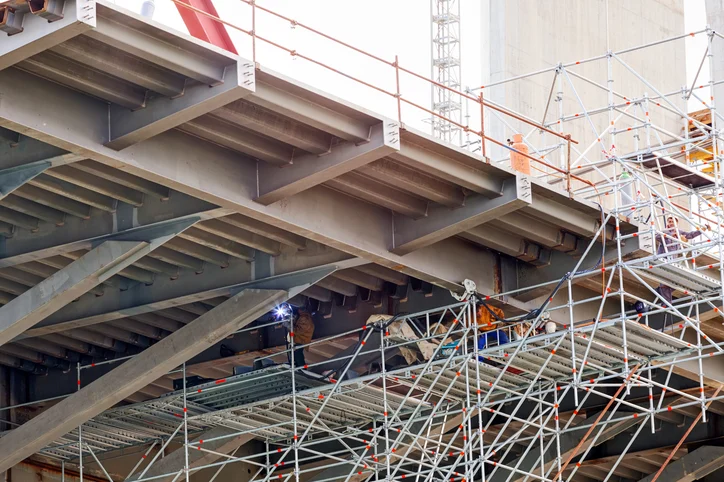
Scaffolding provides safe access to heights, while temporary shelters shield work against weather, keeping schedules intact and workers protected.
Planning and Design: Engineering Principles Behind Temporary Works
Designing temporary works is an exercise in rigorous calculation and foresight.
Load Calculations and Material Selection
Engineers must precisely estimate live, dead, and wind loads, choosing materials that balance strength with ease of assembly and removal. A single miscalculation can compromise the entire system.
Active vs. Passive Support Systems: Choosing the Right Approach
Active supports are constantly adjusted and monitored, ideal for evolving sites. Passive systems are installed and left in place. The decision depends on project complexity, duration, and risk profile.
Case Study: Successful Implementation of Temporary Engineering in a Bridge Project
When a major bridge in Quebec required urgent deck replacement, temporary structural engineering made all the difference.
Project Overview and Challenges
The project demanded uninterrupted traffic flow beneath the bridge while workers replaced large concrete sections above. Overhead clearance was tight, and timing was critical.
Engineering Solutions Applied
Specialized shoring towers were custom-designed, using high-strength steel and modular components. Engineers employed real-time load monitoring, allowing for rapid adjustments as work progressed.
Outcomes and Lessons Learned
The bridge remained open, no injuries occurred, and the project finished ahead of schedule. This success underscores the value of having experts like NadeauSDM ingénieur structure temporaire involved from the outset.
Regulatory Standards and Best Practices
Temporary works are heavily regulated for one simple reason: lives depend on their integrity.
Compliance Requirements in Temporary Structural Engineering
Regulations mandate that all temporary supports be designed, reviewed, and approved by qualified engineers. Failure to comply can result in immediate work stoppage and severe legal repercussions.
Documentation and Justifying Work Methods
Every method and calculation must be documented, not only for accountability, but also to streamline future inspections and revisions.
Innovations and Technologies Enhancing Temporary Works Safety
Construction is evolving, and so is the technology that keeps it safe.
Modern Materials and Prefabricated Solutions
Prefabricated aluminum and composite systems are now favored for their light weight and strength. These innovations speed up installation and improve consistency.
Monitoring and Inspection Tools During Construction
Digital sensors and remote inspection tools now allow real-time monitoring of loads and structural integrity, catching issues before they escalate.
Conclusion: Integrating Temporary Structural Engineering for Project Success
Robust temporary engineering means fewer accidents, fewer delays, and smoother work for everyone onsite. The most successful projects are those where engineers, contractors, and safety officers collaborate proactively from day one. In the end, it is these unseen structures, and the expertise behind them, that make lasting construction possible and safe.