


Wasps thrive in Arizona’s warm climate and long dry months. Also, wasp activity can increase due to the abundance of structures. These insects thrive in heat, seek out sheltered areas for nest building. They take advantage of food sources around homes and outdoor spaces. Not every wasp is aggressive, but their habit of nesting close to human activity can make them a concern for homeowners. Thankfully, residents can stay alert and take steps to protect their property from wasps if they understand why these pests pose such a serious issue. They can partner with Green Mango Pest Control experts to keep wasps out of their property for good. They can check out greenmangopest.com to learn more about the company’s services. Here’s why Arizona residents may be concerned about wasps:
Arizona’s Climate Gives Wasps More Time to Stay Active
Arizona offers wasps the perfect environment. Mild winters in the state allow queens to survive more months of the year. Also, hot summers support the growth of wasp nests. In states with cooler climates, wasps slow down or die off earlier. In Arizona, extended seasons give colonies more time to grow large and establish multiple nests around yards, patios, and structures. As a result, homeowners deal with more than one generation in a year.
Wasps Nest in High-Traffic Areas
Wasps prefer to build nests close to food sources and shelter. Arizona homes supply both. Wasps may nest in roof eaves, patios, sheds, window frames, play structures, and grill covers. These areas are so close to regular activity, so people may get too close without realizing the existence of a wasp nest.
Stings Are More Than a Minor Injury
Wasp stings hurt, but the bigger concern is how aggressive some species can be. Yellow jackets and paper wasps defend their nests with fast, targeted attacks. A person near a nest may receive multiple stings within seconds. Pets face the same risk, especially dogs that sniff or paw at unknown objects. A sting may lead to a serious reaction for those allergic to it. Even without allergies, repeated stings cause swelling, pain, and discomfort for days.
Wasps Are Drawn to Backyards and Outdoor Fun
Arizona homeowners enjoy outdoor living. Wasps feel the same pull toward these areas. They look for protein, sweets, and water, which may exist in backyards. They can be attracted to open trash bins, pet food off to the side, and fruit trees. soda cans, pool areas, compost piles, and hummingbird feeders.
Some Arizona Wasp Species Are More Aggressive
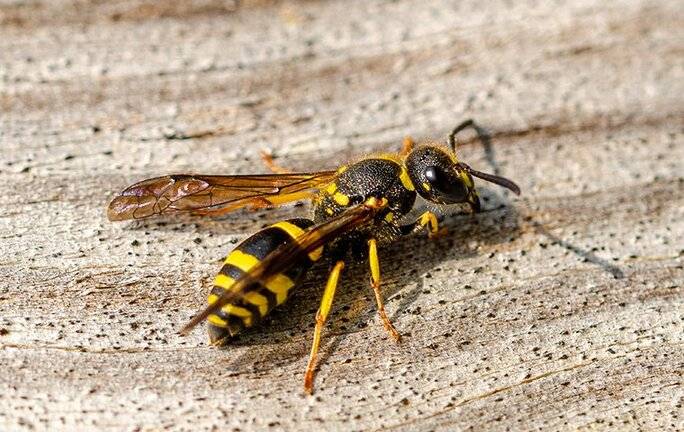
Paper wasps defend their nests fiercely. Yellow jackets take aggression up a notch, pursuing threats over longer distances. Mud daubers are less aggressive but still build nests in tight spaces that cause concern.
DIY Wasp Removal Brings Serious Risks
Many Arizona residents try to remove nests on their own. This approach can end in painful mistakes. Wasps react fast to sudden sprays, movement, noise, or vibration. A ladder wobble or a misplaced step can turn a small task into a dangerous situation. A person may spray from the wrong angle, damage the nest without eliminating wasps, or fail to spot a secondary nest nearby. Also,
Wasp Nests Grow Larger Than Homeowners Expect
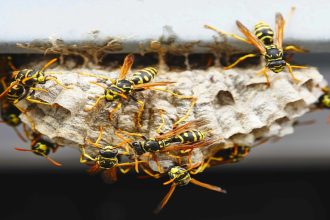
A nest that appears small on the outside can hide a large, active colony. Paper wasp nests under eaves may seem harmless at first. They expand and attract hundreds of workers within months. Yellow jacket nests grow even larger, sometimes holding thousands of insects by late summer.
Wasps Can Move Indoors Through Small Gaps
Homes may develop tiny entry points around vents, siding, or roof intersections. Wasps take advantage of these openings and build nests in voids where they stay hidden until the colony is large. Indoor nests cause buzzing sounds behind walls, wasps entering rooms through vents, damage to insulation, and safety issues during repairs.