






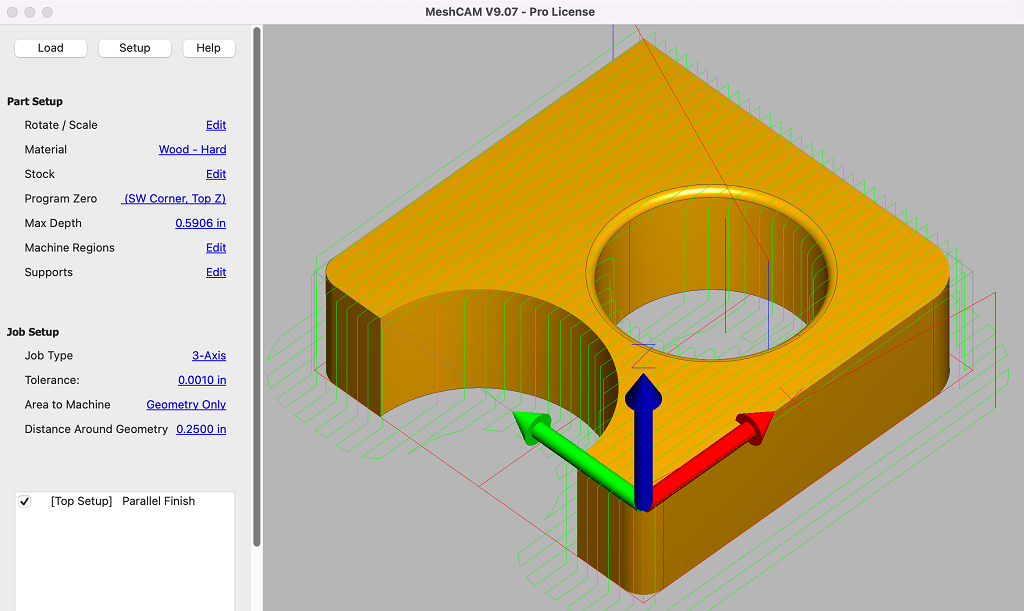
The seamless integration of design and manufacturing is crucial in modern industries, where efficiency and accuracy are paramount. CNC software, which links Computer-Aided Design (CAD) and Computer-Aided Manufacturing (CAM), has revolutionized the way companies produce parts and components. This integration is transforming the manufacturing process by closing the gap between designing a product and bringing it to life.
Understanding CAD and CAM
Before diving into how CNC software bridges the gap between CAD and CAM, it’s essential to understand the roles these technologies play.
What is CAD?
CAD is the process of creating detailed 2D or 3D digital designs for products, components, or systems. Designers use CAD software to visualize their concepts, incorporating specifications like dimensions, materials, and tolerances. The result is a digital blueprint that can be shared and modified easily, helping companies move from concept to production more efficiently.
What is CAM?
CAM is the technology that takes CAD designs and translates them into precise instructions for manufacturing equipment. CAM software generates tool paths, machine movements, and cutting instructions required to fabricate the product. This automated system eliminates many of the manual steps traditionally needed in manufacturing, improving both speed and accuracy.
How CNC Software Bridges CAD and CAM
The true power of custom CNC machining technology lies in its ability to seamlessly integrate CAD and CAM. This integration allows manufacturers to transform complex designs into tangible products with high precision and minimal delay.
1. Direct Conversion of Designs into Machining Instructions
CNC software takes digital designs created in CAD and directly converts them into machine-readable instructions for the fabrication equipment. This means that the design process feeds directly into manufacturing, eliminating the need for manual translation of drawings into machine instructions. With just a few clicks, the CAM system interprets CAD files and develops the paths that cutting tools or other machines need to follow.
This direct conversion saves time and prevents errors that can occur when designs are manually transferred to machines, ensuring that the final product matches the original concept.
2. Enhancing Accuracy and Precision
The integration of CAD and CAM through CNC software enhances accuracy and precision. By utilizing the exact dimensions and specifications from the CAD file, CNC machines can create parts with micrometer-level precision. The tight integration of design and manufacturing ensures that even the most intricate details of a design are faithfully reproduced, which is particularly critical in industries like aerospace, automotive, and medical device manufacturing.
Additionally, this precision means fewer revisions and rework, which reduces costs and speeds up production timelines.
Simplifying the Production Process
Incorporating CNC software also increases the production process’s overall effectiveness. Here’s how it benefits production:
1. Reduced Setup and Programming Time
Traditional manufacturing required extensive setup times, where operators would manually configure machines for each production run. With CNC software, the setup process is simplified. Once a CAD design is converted into CAM instructions, it can be used repeatedly without additional setup, saving time and reducing potential errors.
Manufacturers can quickly switch between different jobs by simply loading new designs into the CNC system, enabling flexible production without extensive downtime.
2. Improved Workflow and Communication
Integrating CAD and CAM promotes better collaboration between design and production teams. Designers can ensure their ideas are manufactured as intended, while engineers can provide feedback on how to optimize designs for manufacturing efficiency. This communication reduces misunderstandings and allows for adjustments before production begins, further streamlining the process.
Moreover, as updates or changes are made to the design, the CNC software automatically reflects those changes in the manufacturing instructions, ensuring consistency and minimizing errors.
Reducing Costs and Waste
Beyond improving speed and accuracy, the integration of CAD and CAM through CNC software plays a crucial role in reducing production costs and material waste.
1. Minimizing Material Waste
Since CNC machines operate with extreme precision, material waste is kept to a minimum. Each part is fabricated exactly to the specifications in the CAD file, reducing the need for trial runs or adjustments. When working with pricey resources, where reducing waste has a direct influence on profitability, this accuracy is quite helpful.
2. Lower Labor Costs
CNC automation reduces the need for manual intervention in both design and manufacturing. By streamlining the process, fewer skilled workers are required to operate machines or manually transfer designs. This results in reduced labor expenses and enables businesses to redirect resources toward product development and innovation.