





An outdoor fire pit can transform a backyard, patio, or garden into a year-round gathering space. The variety of fire pits for sale today is wide enough to suit almost any outdoor setup, budget, and lifestyle. But that same variety makes the buying decision more complicated than it might first appear. Fuel type, placement, materials, safety, and local regulations all matter before any purchase. Here are the five things every buyer should understand before choosing a fire pit.
1. Fuel Type Determines Almost Everything Else
The choice between wood, gas, and smokeless designs shapes how the fire pit is used, how much maintenance it requires, where it can be placed, and what the overall experience feels like.
Wood fire pits deliver the classic open-fire experience: crackling sounds, the scent of burning wood, and flames with natural movement. These require no gas line or propane connection, and the fire pit itself is typically less expensive upfront. The practical trade-offs are real: ash cleanup after every use, dependence on a supply of dry seasoned firewood, and smoke that can irritate guests or neighbors. Some municipalities restrict wood burning during certain seasons or air quality alerts.
An outdoor gas fire pit runs on either natural gas piped from the home or liquid propane from a tank. Gas pits ignite instantly, produce no ash, burn cleanly, and can be shut off immediately. Natural gas models require a professional gas line installation, which adds upfront cost but removes the ongoing expense of propane tanks. Propane models are more portable and easier to place without any permanent installation. Neither type produces the same sensory experience as a wood fire, but the convenience is significant for frequent, casual use.
A smokeless firepit uses an engineered double-wall design that creates secondary combustion. Air enters through vents at the base, travels up the inner wall where it heats up, and re-enters the flame chamber at the top to burn off the gases that would otherwise produce smoke. The result is a wood fire that generates dramatically less smoke than a conventional open bowl, making it far more comfortable for people seated close to the fire. Smokeless pits also tend to use wood more efficiently.
2. Placement Rules Are Stricter Than Most People Expect
Where a fire pit can legally and safely be placed is often the factor buyers overlook until these already own one. General safety guidelines include maintaining at least ten feet of clearance between the fire pit and any structure: the home itself, fences, pergolas, and overhanging tree branches all count.
Wood-burning pits should not be placed on a wooden deck unless the model is specifically rated for that use and a fire-resistant mat is used underneath. Gas fire pits can sometimes be placed on decks when designed for that purpose, but manufacturer specifications and local building codes must both be checked. The surface beneath any fire pit should be level and non-combustible: gravel, brick, concrete, and pavers are appropriate; grass and soil near combustible mulch or landscaping are not.
Local ordinances governing open burning vary significantly by municipality. Some areas require a permit for permanent fire pit installations. Others restrict wood burning entirely in certain residential zones or during fire danger periods. Checking with the local fire department or building department before purchasing a permanent model saves significant trouble later.
3. Material Affects Durability and Maintenance Requirements
Fire pits are made from a range of materials, each with different performance characteristics:
- Steel fire pits are lightweight and often the most affordable. Bare steel will rust without treatment; look for powder-coated finishes or stainless steel for better weather resistance.
- Cast iron retains heat well and holds up to high temperatures, but it is heavy and must be seasoned and covered to prevent rust. It is a good choice for high-use wood-burning pits.
- Copper develops a patina over time that many find visually appealing. It is rust-resistant and conducts heat evenly, though copper pits are generally more expensive.
- Stone and brick fire pits are permanent installations typically built in place. These are highly durable and weather-resistant but cannot be moved or stored, and these require professional construction.
- Concrete and cast stone fire pit tables combine a fuel insert with a decorative surround and are a popular choice for patio settings where aesthetics matter as much as function.
Regardless of material, any fire pit will last longer with a fitted cover when not in use, particularly in climates with significant rain, snow, or humidity.
4. Safety Features Are Not Optional
A fire pit without appropriate safety features is a liability. For wood-burning models, a spark screen is essential: burning embers can travel considerable distances on a breeze and land on nearby combustible materials. Spark screens with latching doors allow access for adding wood while keeping the screen in place during burning.
Gas pits should have safety shut-off valves that close automatically if the flame is extinguished unexpectedly. Propane connections should be inspected at least once per season for leaks; a simple soap-and-water test on the hose connections reveals any gas escaping before ignition. Flexible propane hoses degrade over time and should be replaced every few years regardless of apparent condition.
Keeping a fire extinguisher, garden hose, or bucket of sand within reach during any wood fire is standard practice. Children and pets should not be left unsupervised near any active fire pit, regardless of design.
5. Portable vs. Built-In Changes the Entire Purchase Decision
Before choosing among specific models, buyers should decide whether a portable or built-in fire pit better suits the situation. This distinction affects not just where the pit goes but whether permits are needed, whether it will move with the homeowner, and how much of the outdoor space it will permanently occupy.
Portable fire pits, including most freestanding steel, cast iron, and smokeless designs, can be repositioned, stored during winter months, or taken to a new home. These typically require no permits, can be used within days of purchase, and come at a wide range of price points. The downside is that lighter models may feel less substantial, and these require annual storage if weather conditions warrant.
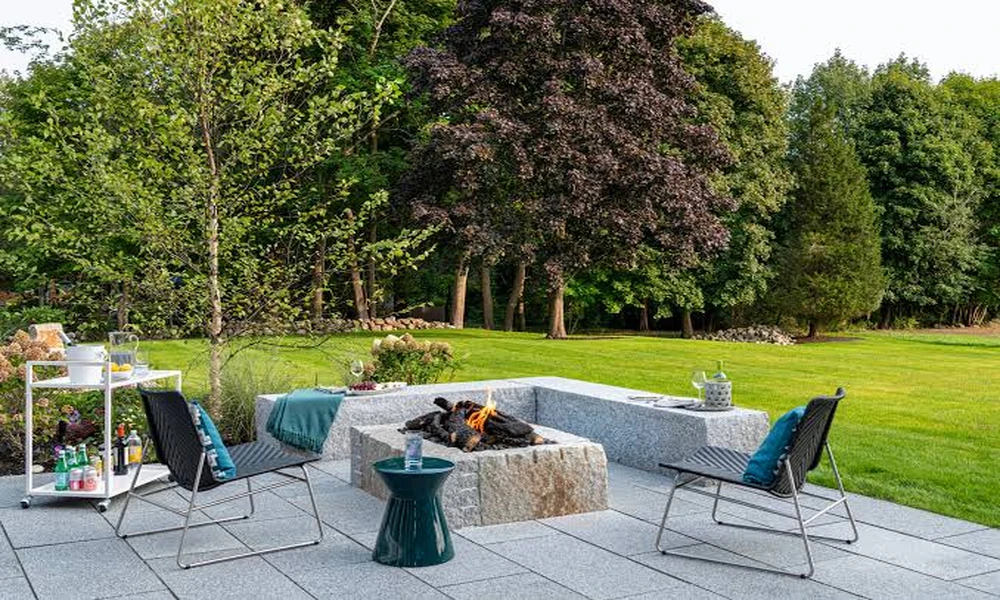
Built-in fire pits are permanent landscape features typically constructed from stone, brick, or concrete block and integrated into a patio design. These add lasting value and aesthetic continuity to outdoor spaces, but these cannot be moved, these often require a building permit, and construction costs add significantly to the overall investment. For homeowners planning to stay long-term and wanting a fire feature that reads as part of the property rather than a piece of equipment, a built-in installation is worth the additional planning and expense.
Choosing the best fire pit comes down to being honest about how the space is used, how much maintenance is realistic, and what the outdoor area can safely accommodate. A gas pit on a small urban deck serves very different needs from a large wood-burning ring in a spacious rural backyard, and the right answer is the one that fits the actual situation rather than the most appealing option in a showroom.