


Global factors like climate change have an enormous impact on the pest control world. Pest species are adapting to their evolving habitat and surviving in new places as temperatures increase, weather patterns change, and ecosystems change.
The following discussion aims to investigate the effect of climate change on controlling pests in Lake Bueno, the challenges that it poses, and the strategies and improvements that can help in our adaptation to this changing climate. For more information on how to control pests in the evolving environment, contact Lake Bueno Vista Pest Control.
The effect of climate change on pest populations and how we should adapt ourselves
Plants are essential to our presence as they supply us with 98% of the air we breathe and 80% of the food we eat. However, they are at risk. The FAO predicts that plant pests and diseases cause up to 40% of food crop losses annually.
Crop vulnerability to pests has been further shown by the recent, worst-in-decades infestation of desert locusts over the Horn of Africa.
One small swarm of desert locusts can cover one square kilometer and eat as much food as 35,000 people would in an entire day, making it one of the most damaging pests in the world. The FAO warns that the outbreak might spark a humanitarian disaster.
What effects does climate change have on diseases and pests?
Along with growing global trade, one factor that contributes to the spread of diseases and pests is climate change. The size, spread, and geographic distribution of illnesses, as well as the population size, survival rate, and geographic dispersion of pests, can all be impacted by climate change.
According to Tek Sapkota, an agricultural systems and climate change researcher at the International Maize and Wheat Improvement Center, “an increase in temperature and precipitation levels generally favors the growth and spread of most types of pests by offering a humid and warm environment that needs moisture for their growth” (CIMMYT)
Increase in CO2 Levels
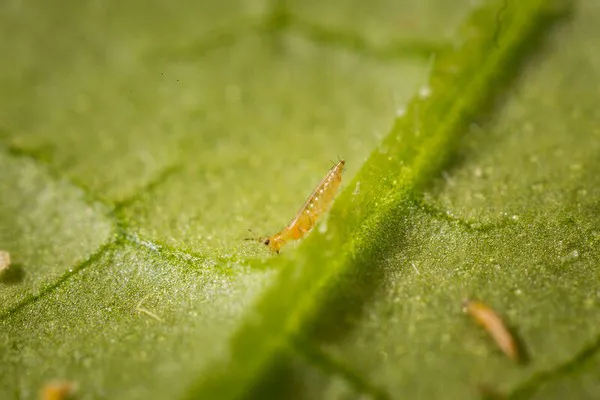
Elevations in carbon dioxide (CO2) may also have an indirect effect on pests by altering the structure of their host plant and reducing their resistance.
According to CIMMYT wheat breeder Leonardo Crespo, “elevated CO2 concentrations, as a result of our lifestyles and influence on the climate, are likely to affect pests indirectly through modifications in plant chemistry, physiology, and nutritional content.”
According to the International Panel on Climate Change, rising temperatures and CO2 concentrations could provide a more conducive environment for infections like fungus.
Movement towards the earth’s poles
According to research, as temperatures have risen since 1960, crop pests and illnesses have been moving toward the north and south poles of the planet at an average yearly pace of 3 km.
In 2015, the US saw the first detection of tar spot, a fungal disease originally from Latin America that can cause as much as fifty percent of yield losses in maize. Typically found in tropical places, the disease has begun to spread to non-tropical areas, such as numerous US counties and highland portions of Central Mexico.
Common pests that are adapting themselves to climate change
Vector-Borne Diseases and Mosquitoes
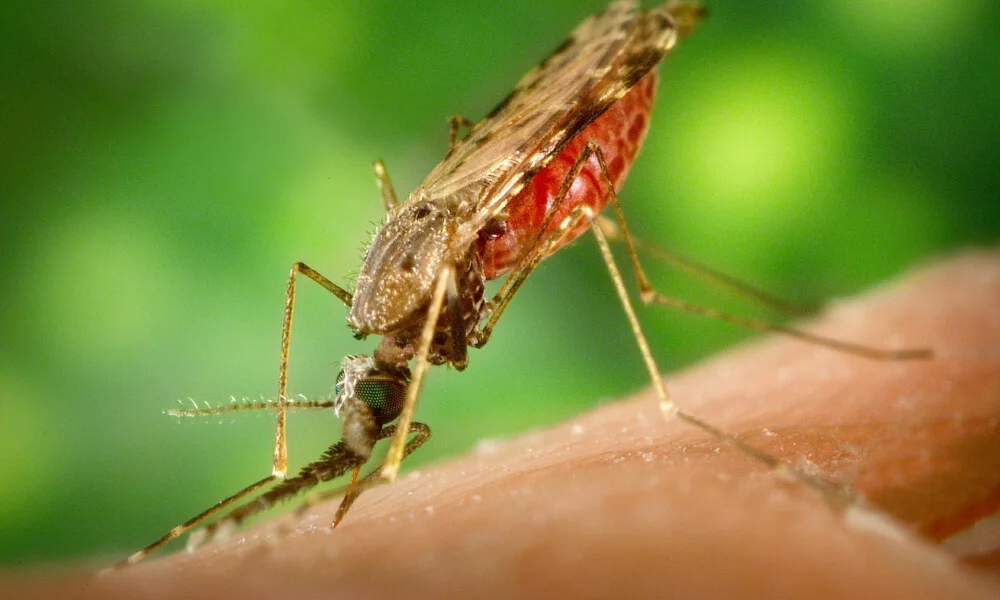
Increased rains, in combination with warmer temperatures, can provide mosquitoes with the perfect habitat. This gives rise to concerns over the possible spread of diseases like malaria and West Nile virus that are carried by mosquitoes. Although these diseases are not common in the UK, their risk may rise due to changes in the climate.
Agricultural pests
Agricultural pests can cause problems that become worse by climate change. Aphids, caterpillars, and beetles are among the pests that can grow more active in warmer weather and cause more significant crop damage. Additionally, new pest species could invade other parts of the world, endangering agricultural sustainability and food security.