




It might look cute to see a squirrel running across your lawn or a bird building a nest in your eaves, but having animals around our homes can quickly become a big problem. Most of the time, these unwanted guests are just looking for food or a place to stay.
They can do a lot of damage to our property, get in the way of our daily lives, and even put our health and safety at risk. If you have a wildlife problem, you need to call a professional exterminator to make sure the removal is safe and effective.
The hidden health risks.
In addition to making a lot of mess and damage, wildlife intrusions are very bad for people’s health. Pest animals, like rodents and raccoons, can leave behind urine, feces, and other biological materials that could contain germs that are dangerous.
These pathogens can make people sick with a number of illnesses, such as
- Hantavirus: This potentially deadly lung disease can be spread to people by touching mouse feces, urine, or breeding materials that are affected.
- Rabies: This is a virus that affects the brain and spinal cord of animals, including people. Rabies is often spread by raccoons, bats, and skunks.
- Salmonellosis: This is an illness with bacteria that can make you have diarrhea, fever, and stomach pain. It can be spread to people through polluted food or water, and sometimes it comes from animals.
- Histoplasmosis: This is an illness caused by a fungus that can make it hard to breathe. It can be caught by breathing in spores from bat or bird droppings.
These are just a few of the health risks that come with wildlife getting into homes. To keep yourself and your family safe from these possible risks, you need to take steps to avoid and control wildlife encounters.
Invasive species are a growing threat.
When non-native animal species are brought into a new area, they often do terrible things. This is called invasive wildlife. In their new home, these invaders do not have any natural enemies, so their numbers can grow quickly without being stopped.
This unrestrained growth can throw off the ecosystem’s delicate balance, making it harder for local species to get the resources they need and hurting the ecosystem as a whole.
Some examples of invasive species in the United States.
There are many invasive species in the United States that cause big problems for both people and the environment. The feral swine are very flexible animals that can hurt crops, property, and nature areas.
The emerald ash borer is an Asian bug that has killed millions of ash trees and messed up their systems for moving water and nutrients. The Burmese python, a top predator from Southeast Asia, has caused havoc in the Florida Everglades, wiping out large numbers of local species.
Nutria are mice that are native to South America. Some have gotten out of zoos and started living in the wild in the US, where they damage waterways and farmland.
Even though cats are loved pets, they can have a big effect on local wildlife numbers because they are so good at hunting. These species are bad for the US and its people because they upset the order of nature.
The importance of humane wildlife control.
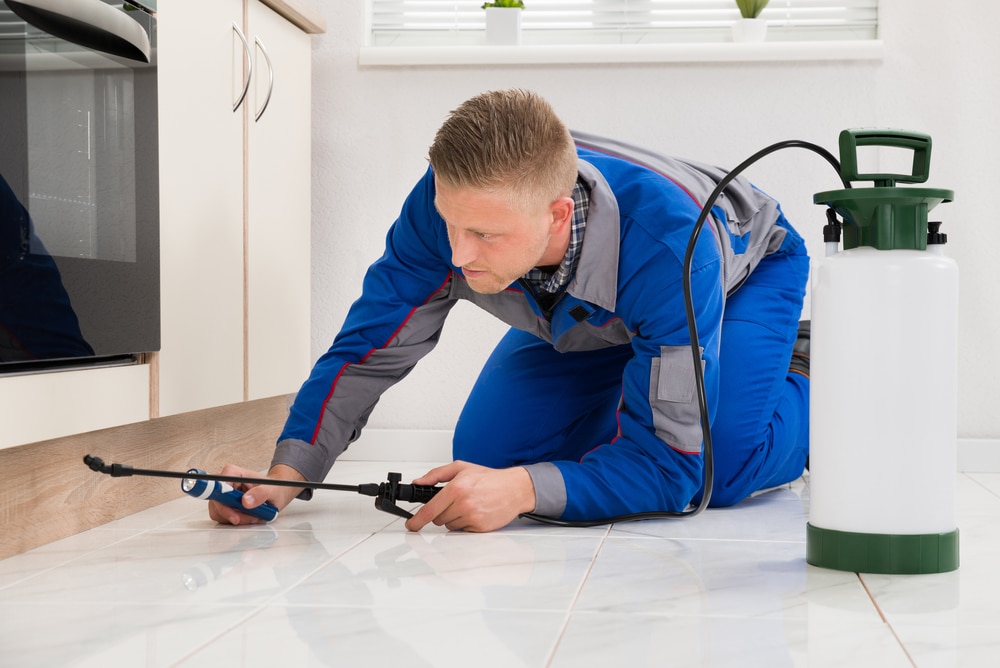
To deal with wildlife problems in a safe and humane way, you need to hire professional wildlife removal services. To stop future intrusions, they do things like closing off entry spots, getting rid of things that wildlife likes, and changing the surroundings to make the land less appealing to wildlife.
Invasive wildlife poses a lot of risks, such as damage to property, health risks, and changes to the environment. Taking steps to avoid and handle wildlife situations can help people live together peacefully while also protecting homes, health, and the environment.