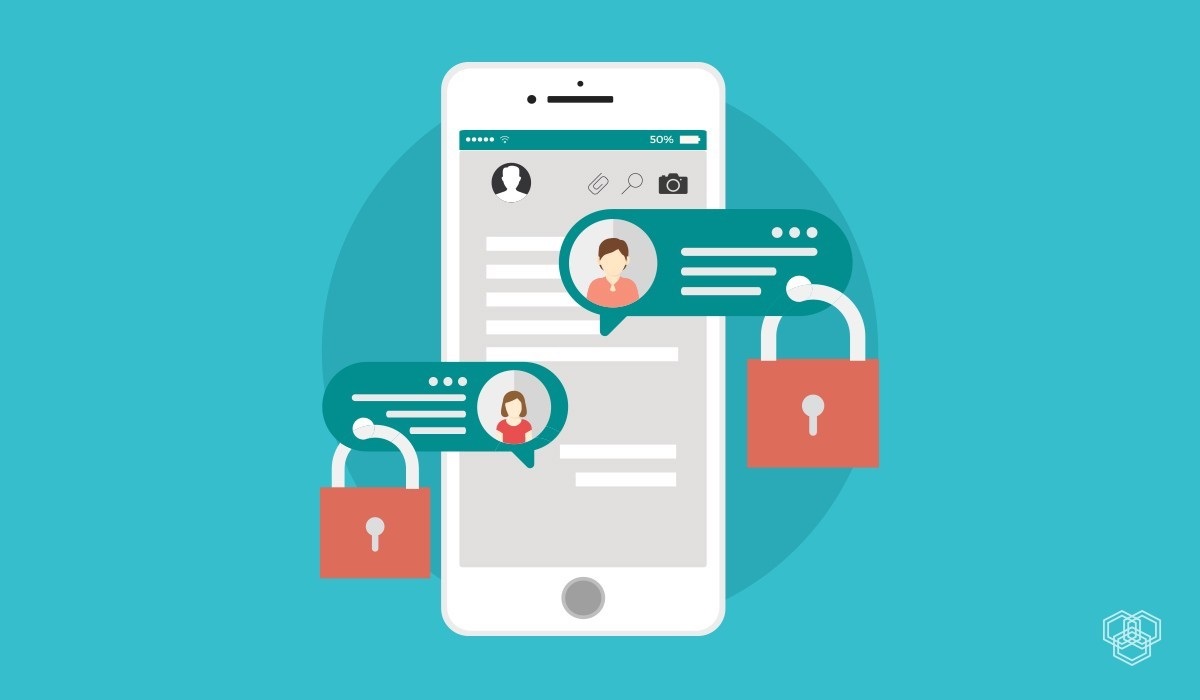



The primary email for confidential information is the possibility of interception. When you send an email, it travels through multiple servers to its intended recipient. During this journey, hackers or cybercriminals the email and access its contents, compromising the security of your sensitive data. Most regular email services do not provide end-to-end encryption, meaning your messages are not protected from prying eyes. While some email providers may offer encryption during transmission, the emails are often stored in an unencrypted format on the server. This lack of comprehensive encryption leaves your confidential information vulnerable to unauthorized access.
Phishing scams and social engineering
Phishing scams and social engineering tactics are standard methods cybercriminals use to track revealing sensitive information. These scams often involve emails that appear to be from trusted sources, such as banks or colleagues, but are designed to steal confidential data. Using regular email for sensitive communications increases the risk of falling victim to these deceptive practices.
Email account hacking
Another significant risk of using regular email for confidential information is the potential for email account hacking. Weak passwords, lack of two-factor authentication, and other security vulnerabilities make it easier for hackers to gain unauthorized access to your email account. Once compromised, all the sensitive data stored in your inbox becomes accessible to the attacker.
Accidental sharing and forwarding
Human error is a common cause of data breaches, and regular email makes it all too easy to share sensitive information with the wrong recipients accidentally. A single mistyped email address or an unintended “reply all” results in confidential data being sent to unauthorized individuals, potentially leading to severe consequences Organize Your Notes with notesonline.
Lack of control over shared data
When you send confidential information via regular email, you lose control over who access and share that data. The recipient of your email can easily forward the message to others, save it on their device, or even print it out, increasing the risk of unauthorized dissemination. Your sensitive data quickly spread beyond your intended audience without proper access controls and restrictions.
Inadequate data retention policies
Many organizations have specific data retention policies that dictate how long particular information should be stored and when it should be securely deleted. However, regular email services often need more features to enforce these policies effectively. As a result, confidential emails may linger in inboxes or servers long after they should have been deleted, increasing the risk of unauthorized access over time.
Compliance and regulatory risks
Specific compliance and regulatory requirements for protecting sensitive data may exist depending on your industry and the nature of the information you handle. Using regular email for confidential communications puts you at risk of violating these regulations, such as HIPAA in healthcare or GDPR in data protection. Non-compliance leads to hefty fines, legal consequences, and damage to your organization’s reputation.
Insider threats and employee misconduct
While external threats often receive the most attention, insider threats from employees or contractors are just as damaging. Regular email provides little protection against insider threats, such as a disgruntled employee intentionally leaking confidential information or an employee’s email account being compromised due to negligence. With proper monitoring and access controls, sensitive data shared via email easily avoids falling into the wrong hands.