





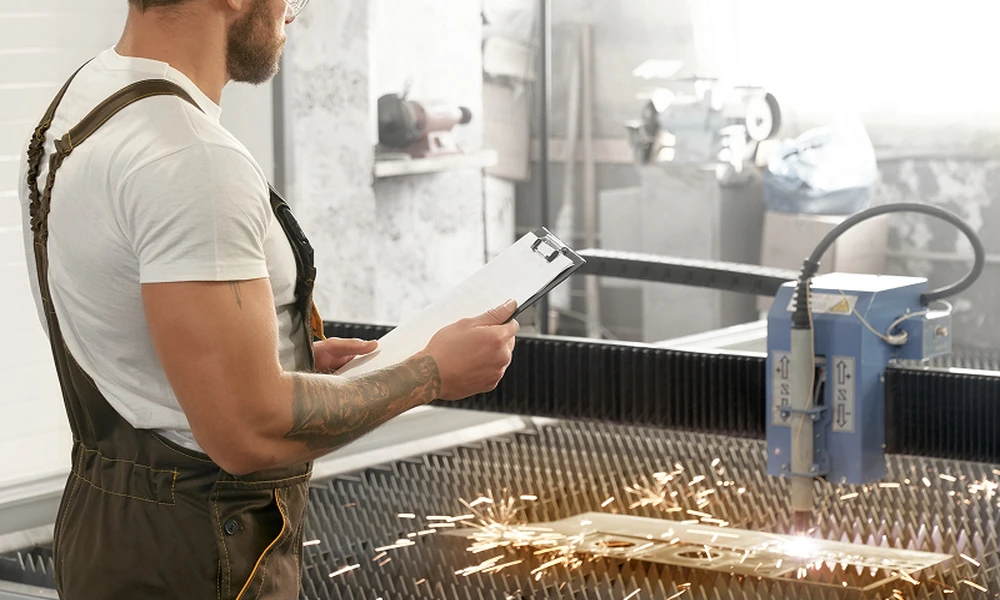
A single custom metal fabrication order can pass through four or five distinct stages before it ever reaches a customer: sourcing the right raw material, cutting or forming it to spec, treating the surface, and inspecting the result, and that’s before assembly into a larger product even starts. Cutting the metal is usually the fastest part of the whole process, not the most involved one.
- What Actually Happens Before the Cutting Starts
- Five Stages a Fabrication Job Typically Moves Through
- Why Vietnam’s Manufacturing Growth Raises the Stakes Here
- What Materials and Processes Actually Need to Line Up
- Why Inspection Is Where Shortcuts Get Caught
- What a Surface Treatment Step Is Actually Protecting Against
- Why Lead Time Estimates Should Account for Every Stage
- Evaluating a Partner Serving Vietnam’s Market
What Actually Happens Before the Cutting Starts
A custom metal fabrication order that skips the groundwork tends to show it later. Raw material sourcing and tool design both happen upfront, matching the right alloy and stock size to the part’s actual requirements rather than whatever happens to already be sitting on a shelf. Getting this stage wrong is a quieter failure than a bad cut, but it shows up just as reliably once the part is in use.
Five Stages a Fabrication Job Typically Moves Through
1. Raw material sourcing: matching alloy, grade, and stock size to the part’s actual load and finish requirements.
2. Tool design: planning fixtures and cutting paths before any metal is touched.
3. Cutting and forming: CNC turning, milling, or fabrication work itself.
4. Surface treatment: coatings or heat treatment, depending on what the part will face in use.
5. Inspection: CMM measurement or automatic optical inspection against the original spec.
Why Vietnam’s Manufacturing Growth Raises the Stakes Here
Vietnam’s manufacturing base has expanded quickly across automotive, electronics, and energy, with hubs like Hoa Lac Hi-Tech Park and large energy players such as PetroVietnam shaping real demand for precision components. That growth means more OEMs and Tier-2 suppliers sourcing fabrication work locally, which raises the volume of orders moving through each of those five stages and makes skipping any one of them a more expensive mistake to make at scale.
What Materials and Processes Actually Need to Line Up
A fabrication job isn’t one process repeated identically across every order. Engineering plastics like PEEK and PTFE, aluminium alloys such as 6061 and 7075, copper-based alloys, carbon steel, stainless grades like 304 and 316L, and exotic alloys including titanium all behave differently under cutting, forming, and heat treatment, and a shop that treats all of them the same way is cutting a corner somewhere in that process.
Why Inspection Is Where Shortcuts Get Caught
CMM measurement and automatic optical inspection exist specifically to catch the gap between what a drawing specifies and what actually came off the production line. A fabrication partner that treats inspection as a final formality, rather than a genuine checkpoint, is the one most likely to ship a part that looks right and performs wrong once it’s assembled into something bigger.
What a Surface Treatment Step Is Actually Protecting Against
Coatings and heat treatment rarely get the same attention as cutting or forming, but they’re often the stage that determines how long a part actually lasts in service. A component headed for an oil and gas flow-control application faces a very different operating environment than one going into consumer electronics, and the surface treatment chosen needs to match that environment rather than default to whatever’s fastest to apply. Skipping or rushing this stage tends to show up months later, far from the shop floor where the original decision was made.
Why Lead Time Estimates Should Account for Every Stage
A quote that only reflects cutting time is quietly setting up a delay somewhere further down the line. Sourcing the right raw material can take longer than expected if a specific alloy grade isn’t already in stock, and surface treatment or heat treatment steps often run on their own schedule separate from the machining floor. Asking a fabrication partner for a stage-by-stage timeline, rather than a single end date, makes it much easier to see where a project is actually likely to slip before it happens.
Evaluating a Partner Serving Vietnam’s Market
A CNC company in Vietnam doesn’t necessarily need its own factory floor physically sited in-country to serve that demand well. What matters more is whether raw material sourcing, tool design, surface treatment, and inspection are all handled to a consistent standard, backed by certifications such as IATF 16949 for automotive work and ISO 14001 for environmental management, regardless of exactly which site in the network the part moves through.
Asking a prospective partner to walk through all five stages for a specific part, rather than just confirming they can cut the material, tends to surface the gaps that matter long before a bad batch does.
Bring the drawing and the volume, and it’ll be clear quickly which stages need the most attention. Contact Disk Precision Group to get started.