




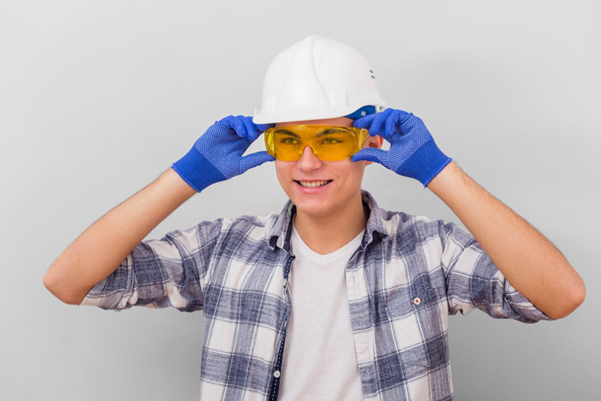
Clear vision plays a practical role in workplace safety, yet eye protection sometimes receives attention only after an incident. Flying debris, chemical splashes, dust, and vapours create risks that develop quickly and without warning. Goggles exist to protect eyesight while allowing workers to carry out tasks with confidence, accuracy, and minimal strain. Good visibility and proper protection usually work best together.
- Common Eye Hazards in Daily Work
- Limitations of Standard Goggles
- Fit, Alignment, and Task Accuracy
- Regulatory and Compliance Considerations
- Comfort as a Practical Safety Factor
- Matching Eyewear to Job Roles
- Durability and Cost Control
- Training and Proper Use
- Integrating Vision Into Safety Planning
- Practical Takeaways for Safer Workplaces
Common Eye Hazards in Daily Work
Eye hazards differ across work environments, although the potential for injury remains constant. Workshops face sparks and fragments, laboratories handle splashes and fumes, and warehouses manage dust stirred up by movement and airflow. Cleaning and maintenance tasks also introduce risks that are easy to overlook.
Protective eyewear acts as a barrier against direct contact with these hazards. In many industries, safety goggles in Singapore form part of standard safety requirements due to local regulations and conditions that favour enclosed eye protection over open-frame options.
Limitations of Standard Goggles
Standard goggles suit many users, yet vision correction introduces practical challenges. Wearing protective eyewear over personal spectacles often creates pressure points, gaps in the seal, or distorted sightlines, all of which increase adjustments during tasks and reduce effective protection.
By combining corrective lenses with certified protective frames, prescription safety glasses address this issue directly. Clear vision remains consistent without compromising fit, which encourages steady wear throughout a shift. Occupational safety data frequently links proper fit and comfort with reduced eye-related incidents.
Fit, Alignment, and Task Accuracy
Eye protection remains effective only when fit stays consistent throughout a shift. Loose goggles shift during movement, creating gaps around the eyes and nose that allow dust, vapours, or liquid splashes to bypass protection.
Within protective frames designed for impact and splash resistance, prescription safety glasses provide customised lens alignment. Proper alignment supports depth perception and task accuracy during close-up work, inspections, or precision tasks, while reduced eye strain helps maintain focus over longer periods.
Regulatory and Compliance Considerations
Safety regulations define clear expectations for eye protection based on workplace hazards. Standards specify impact resistance, coverage area, and optical clarity to minimise injury risk, with non-compliance leading to inspections, corrective actions, or work interruptions.
Alongside comfort and durability, certification often guides organisations sourcing safety goggles in Singapore. Documented compliance simplifies audits and demonstrates adherence to safety obligations without reliance on temporary or improvised solutions.
Comfort as a Practical Safety Factor
Discomfort influences safety behaviour more than many realise. Fogging lenses, tight seals, and limited airflow distract workers and shorten wear time, increasing exposure during critical moments.
Ventilation channels, anti-fog coatings, and adjustable components feature in modern protective eyewear. By accommodating corrective lenses within protective designs, prescription safety glasses allow comfort and protection to function together during varied tasks.
Matching Eyewear to Job Roles
Different roles present different eye hazards, from splash exposure in laboratories to debris risks during maintenance and airflow challenges in logistics settings. A single eyewear style rarely suits every scenario.
Without complicating workflows, task-specific selection improves protection. Configurations of safety goggles in Singapore address varied hazards, while prescription safety glasses fit within similar frameworks to ensure workers with vision correction needs receive equal protection.
Durability and Cost Control
Protective eyewear experiences daily wear through handling, cleaning, and environmental exposure. Low-grade materials scratch easily, lose clarity, or compromise seals, leading to frequent replacement and disrupted routines.
Using tested materials designed for repeated use, certified protective eyewear maintains performance over time. In industrial settings, prescription safety glasses retain optical clarity and frame integrity, supporting predictable replacement cycles and safety planning.
Training and Proper Use
Protective equipment performs reliably only when used correctly. Improper cleaning damages coatings, while poor storage leads to distortion or contamination. Clear guidance improves longevity and effectiveness.
Usage instructions covering fitting, inspection, and care help maintain performance. Safety goggles in Singapore typically include guidance aligned with local standards, helping teams maintain protection without unnecessary replacements.
Integrating Vision Into Safety Planning
Eye protection functions as part of a broader safety system. Selection should balance hazard type, visual needs, comfort, and compliance together. Ignoring any element often creates weak points.
Prescription safety glasses allow vision correction to integrate directly into safety planning. Clear sight and consistent protection improve adherence and reduce exposure risks in measurable ways.
Practical Takeaways for Safer Workplaces
Effective eye protection combines clarity, comfort, and certified performance. Matching eyewear to both task demands and visual requirements reduces injuries linked to poor visibility or inconsistent use.
Contact SafetySam to discuss protective eyewear options, fitting considerations, and practical guidance aligned with workplace safety requirements.