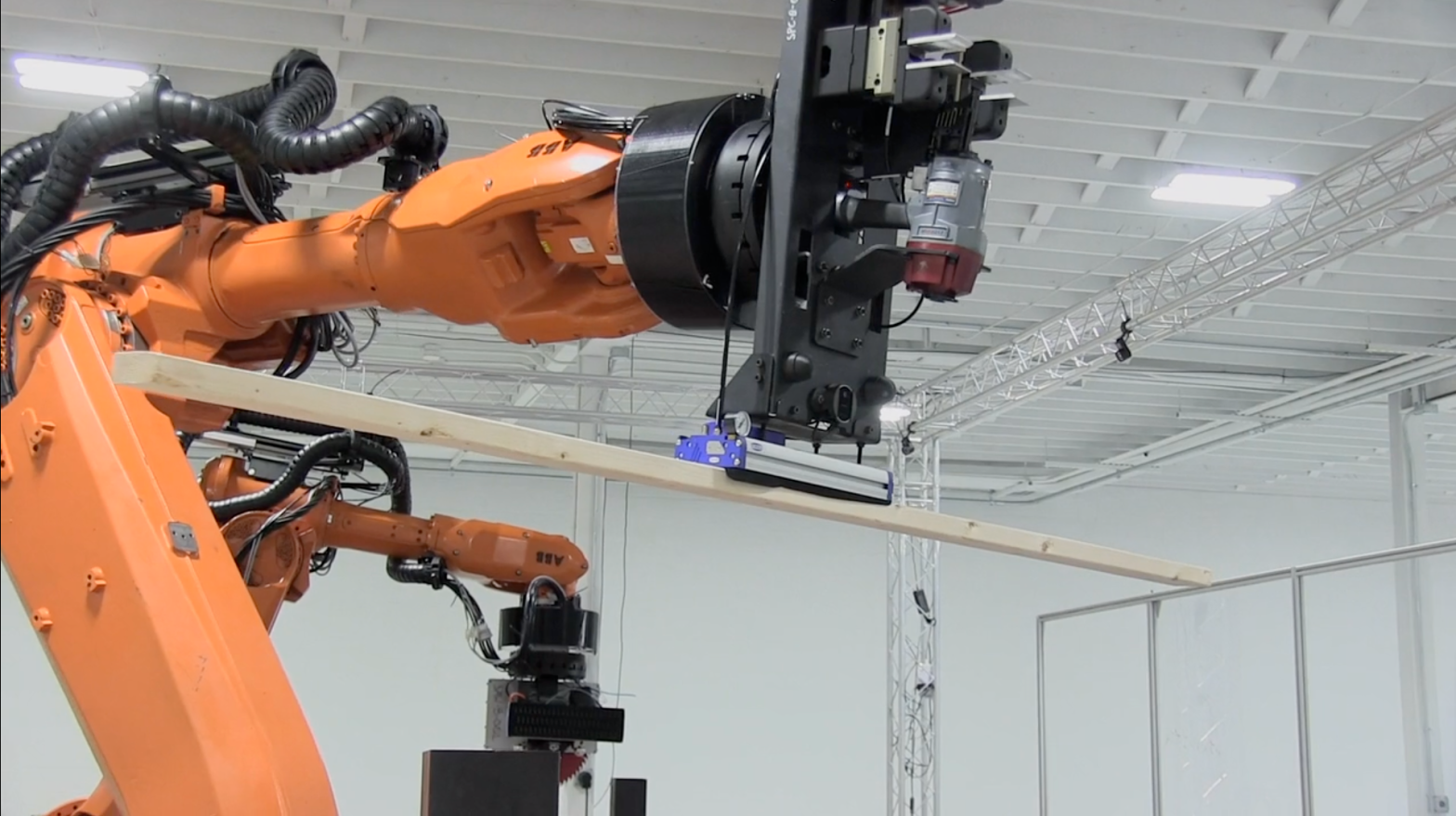






The rise of smart factories is transforming industrial architecture, requiring new design strategies to support automation, data integration, and sustainability. These technology-driven manufacturing facilities leverage AI, IoT, and robotics to optimize efficiency, requiring architects to rethink traditional factory layouts.
- 1. Flexible and Scalable Layouts for Automation
- 2. Integration of IoT and Data-Driven Infrastructure
- 3. Sustainability and Energy Efficiency
- 4. Advanced Safety and Ergonomic Design
- 5. High-Tech Material Handling and Logistics
- 6. Human and AI Collaboration Spaces
- 7. Enhanced Cybersecurity Infrastructure
- Conclusion
Usine architects Stendel + Reich specialize in designing modern industrial spaces that accommodate cutting-edge technology, flexible layouts, and energy-efficient solutions. Their expertise ensures that smart factories remain highly functional, scalable, and adaptable to future advancements.
Here’s how smart factories are reshaping industrial architecture and the key elements architects must consider in their designs.
1. Flexible and Scalable Layouts for Automation
Why It Matters:
Smart factories use robotics and automated machinery, requiring adaptable layouts that can evolve with new technology.
Architectural Strategies:
- Open floor plans that allow for reconfigurable production lines.
- Modular design for easy expansion or repurposing of spaces.
- Automated storage systems integrated into facility design.
A well-planned factory layout enhances productivity and reduces operational bottlenecks.
2. Integration of IoT and Data-Driven Infrastructure
Why It Matters:
Smart factories rely on real-time data collection to monitor performance, predict maintenance, and optimize production.
Architectural Considerations:
- High-speed data infrastructure to support IoT connectivity.
- Sensor-integrated walls and floors for real-time tracking.
- Smart lighting and HVAC systems controlled by AI algorithms.
Architects must design data-friendly spaces that facilitate seamless digital communication across all factory operations.
3. Sustainability and Energy Efficiency
Why It Matters:
Reducing energy consumption is a priority for modern factories, making sustainable design essential.
Green Building Features:
- Solar panels and renewable energy sources to power operations.
- High-efficiency insulation to maintain temperature control.
- Water recycling and waste reduction systems for eco-friendly production.
These strategies help lower operational costs while meeting global sustainability standards.
4. Advanced Safety and Ergonomic Design
Why It Matters:
Smart factories require enhanced worker safety measures, especially in automated environments.
Safety-First Design Elements:
- Automated safety barriers to protect workers from moving machinery.
- Improved air filtration and ventilation to reduce airborne contaminants.
- Ergonomic workstations for employees interacting with automation.
A well-designed factory reduces workplace accidents and enhances worker well-being.
5. High-Tech Material Handling and Logistics
Why It Matters:
Smart factories streamline inventory management and product movement with AI-driven logistics.
Architectural Adjustments:
- Automated guided vehicle (AGV) pathways for robotic material transport.
- High-bay storage systems for compact and efficient warehousing.
- Multiple dock doors and loading zones for seamless inbound and outbound logistics.
Architects must ensure that warehouse operations align with automated supply chain needs.
6. Human and AI Collaboration Spaces
Why It Matters:
While automation is increasing, human oversight remains essential in smart factories.
Architectural Solutions:
- Control centers where employees monitor automated processes.
- AI-assisted conference rooms with real-time production analytics.
- Training zones for workers to learn robotic interaction techniques.
Balancing human expertise with AI-driven systems creates a harmonized manufacturing environment.
7. Enhanced Cybersecurity Infrastructure
Why It Matters:
With increased digitalization, protecting factory data from cyber threats is critical.
Cybersecurity Design Considerations:
- Dedicated server rooms with advanced security protocols.
- Secure access control systems for restricted data-sensitive areas.
- Redundant power supplies and backup systems for critical operations.
Architects must integrate physical security measures that support digital security needs.
Conclusion
Smart factories are redefining industrial architecture, requiring a focus on automation, sustainability, safety, and digital integration. Usine architects Stendel + Reich design manufacturing spaces that support the latest technologies while ensuring long-term adaptability.
As industries shift toward AI-driven production, factory architecture must evolve to maximize efficiency, reduce costs, and improve working conditions. Investing in smart factory design ensures that companies stay ahead in an increasingly competitive industrial landscape.